What Happens During a Renovation in Singapore From Site Inspection to Handover?
14 September 2026A renovation in Singapore is more than a sequence of demolition and installation works. From the first site inspection to the final handover, there is a structured process that helps homeowners, designers and contractors align on scope, timing, materials, access arrangements and the practical details that keep the project moving smoothly. Understanding what typically happens at each stage can make the experience less stressful and help you prepare for decisions before work begins.
Site inspection and initial assessment
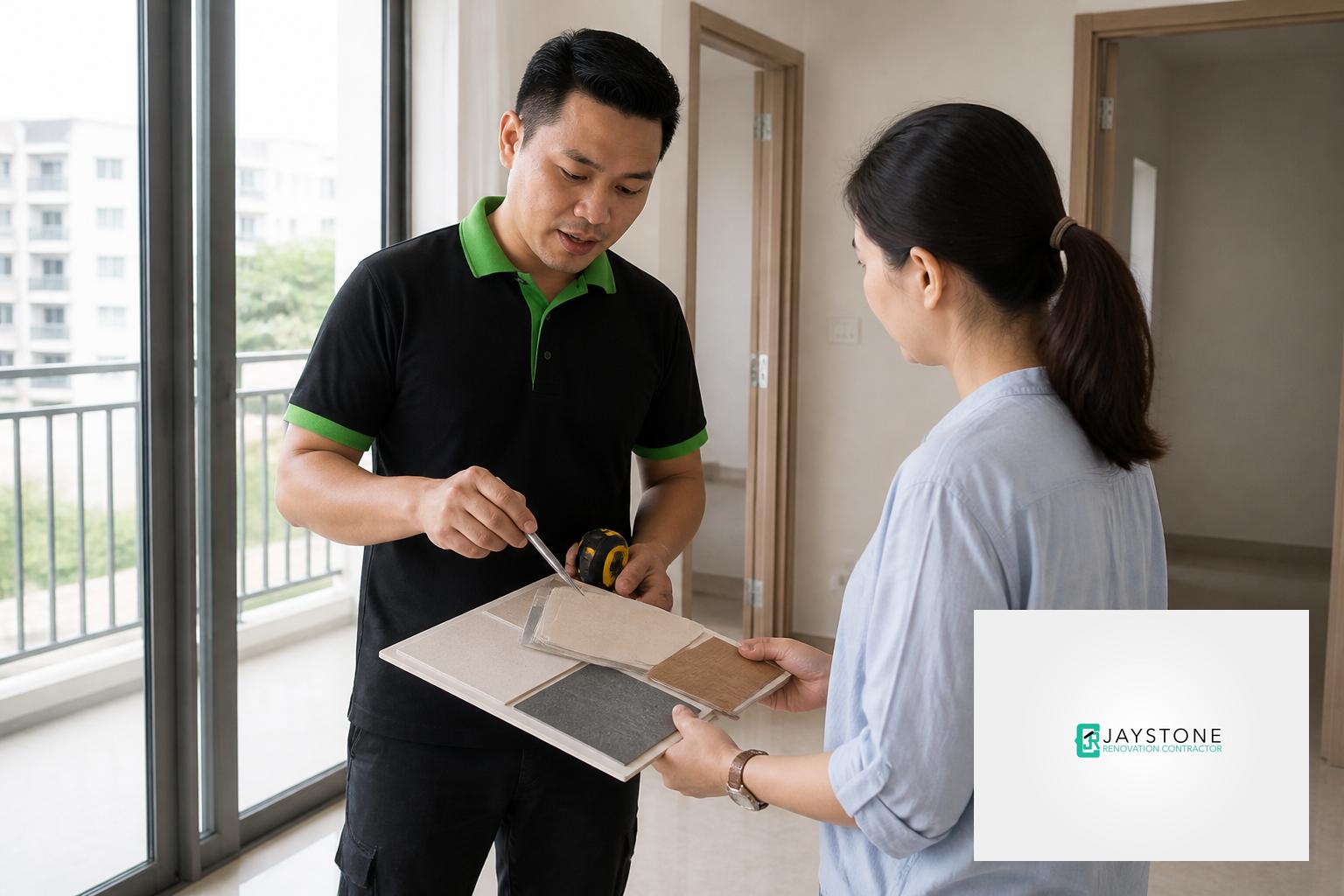
The process usually starts with a site inspection. This is where the renovation team assesses the existing condition of the property, takes measurements and identifies any constraints that may affect the works. In Singapore, this step is especially important because different homes can have very different layouts, ceiling heights, wet-area conditions, electrical points and built-in finishes.
During the inspection, the team may also discuss how you intend to use the space, what problems you want to solve and which areas need the most attention. For example, a family may want better storage, a more open layout or improved durability for high-traffic areas. The clearer the brief, the easier it is to shape a renovation plan that suits both lifestyle and budget considerations.
Understanding scope, priorities and renovation goals
Once the site is assessed, the next step is defining the scope. This means deciding which rooms or areas are included, what kind of works are required and what outcomes matter most. Some homeowners focus on practical upgrades such as carpentry, flooring, painting or lighting changes, while others want a more comprehensive transformation involving layout adjustments and coordinated interior design.
At this stage, it is helpful to distinguish between must-have items and nice-to-have ideas. This prevents the project from becoming too broad too quickly. In a Singapore renovation, scope clarity also helps everyone understand the sequence of works, especially when multiple trades are involved, such as electrical, plumbing, tiling and carpentry.
Planning the design and technical details
After the scope is confirmed, the team works through the design direction and technical planning. This may include space planning, material selection, cabinet configurations, lighting layout, feature walls, bathroom fittings, door details and other items that affect both appearance and function. The aim is to ensure the final result looks cohesive and works well in daily use.
Technical planning is equally important. Electrical points, plumbing routes, waterproofing needs, ceiling features and built-in furniture all need to be considered before work starts. In Singapore, good planning reduces the chance of rework later and helps the renovation proceed in a more orderly manner. It also gives homeowners a clearer picture of how each decision affects the rest of the project.
Quotation review and work programme
Once the requirements are defined, the contractor or renovation team will typically prepare a quotation and a proposed work schedule. A proper quotation should reflect the agreed scope, materials, workmanship details and any exclusions or assumptions. Rather than looking only at the final figure, homeowners should review what is actually included and whether the listed items match the intended renovation.
The work programme outlines the sequence of trades and the approximate order of activities. This matters because renovation works are often interdependent. For example, electrical works may need to be completed before plastering or carpentry installation, while wet-area works generally need careful sequencing before finishing touches are applied. A sensible programme helps keep the project coordinated from start to finish.
Pre-renovation preparation and site protection
Before major works begin, the site is usually prepared for renovation. This may involve protecting existing surfaces, arranging access for workers and equipment, and setting up a workable environment for demolition or installation. Homeowners may also need to clear personal belongings and secure items that could be affected by dust or movement on site.
Good preparation can make a big difference to the overall experience. It helps minimise accidental damage, keeps the site more organised and allows the team to begin work without unnecessary delays. In occupied homes or staged renovations, preparation becomes even more important because the work area must be managed carefully around the rest of the property.
Demolition and removal of old materials
If the renovation includes replacement of existing finishes, cabinets, flooring or fittings, the next stage may involve demolition and removal. This is often one of the messiest parts of the process, but it is also where the project begins to take shape. Old materials are removed to make way for the new design and any hidden issues may become visible during this stage.
Unexpected findings can happen, especially in older Singapore properties. For instance, the team may uncover uneven walls, concealed damage or outdated points that require adjustment. When that happens, the renovation plan may need to be reviewed so that the next stages can proceed safely and properly. This is one reason why early inspection and realistic planning are so valuable.
Core works and coordinated installation
After demolition, the core works begin. These are the main construction and installation stages that bring the renovation together. Depending on the project, they may include electrical work, plumbing adjustments, tiling, waterproofing, ceiling works, partitioning, carpentry installation, painting and fitting of doors or glass panels. The sequence matters because one trade often depends on the completion of another.
For homeowners, this phase can feel slower than expected because many important tasks are happening behind the scenes. However, this is where quality is built. Careful workmanship, proper coordination and timely communication help reduce the need for rework later. A renovation in Singapore is usually smoother when each trade is scheduled in the right order and the site is checked regularly as the works progress.
Progress checks, adjustments and practical decisions
Throughout the renovation, site checks are typically carried out to monitor progress and confirm that the works are aligned with the agreed plan. This is the time when measurements are verified, finishes are checked and any minor adjustments are discussed before later stages make changes harder to reverse. Homeowners should use these check-ins to raise questions early rather than waiting until the end.
Practical decisions may still arise during this phase. Sometimes a material is substituted due to availability, a layout detail needs refinement or a finish has to be adjusted for better function. When handled early and clearly, these changes can be managed without unnecessary disruption. Good communication during the works helps keep the project on track and protects the intended outcome.
If you are planning a renovation and want help understanding the process from site inspection to handover, WhatsApp Jaystone Renovation & Interior Design Singapore with your requirements, ideas, floor plans or inspiration photos so the team can assess the scope and discuss suitable support.
Final checks, cleaning and handover
As the renovation nears completion, the team usually performs final checks to review workmanship, fittings, alignment and overall finish. This stage is about resolving remaining details, confirming that the completed works match the approved scope and ensuring the property is ready for use. Small touch-ups may still be needed before handover takes place.
Handover is the point where the renovated space is formally presented to the homeowner. It is useful to walk through the property carefully, note any outstanding items and understand how to care for different finishes and fittings. In Singapore, a good handover should leave you with a clear view of what was completed, what needs follow-up if anything remains, and how to maintain the space in the months ahead.
What homeowners should keep in mind throughout the process
The most important part of a renovation is not only the final result, but also the process that leads to it. Clear scope, realistic planning, timely communication and careful coordination all help reduce stress and avoid confusion. Homeowners who stay involved at key stages usually find it easier to make informed decisions and spot issues before they become larger problems.
It also helps to remember that renovation is a sequence of connected stages rather than a single event. From inspection to handover, each step supports the next one. When that sequence is managed properly, the result is a more functional and better-finished home that reflects both the practical needs and the design intent of the project.
Conclusion
A renovation in Singapore typically moves through site inspection, scope definition, design and technical planning, quotation review, preparation, demolition, core works, progress checks and final handover. Knowing what happens at each stage gives homeowners greater confidence and makes it easier to work with the renovation team on a clear and realistic plan.
Choose Jaystone Renovation & Interior Design Singapore
Jaystone Renovation Contractor Singapore stands as a premier choice for comprehensive renovation services, boasting years of unparalleled expertise in the industry. We offer direct contractor pricing – making it affordable for those looking for renovation. From kitchen renovation, HDB kitchen renovation to complete home renovation, including bathroom and toilet renovations, our services cater to every aspect of your living space. We provide a wide range of specialised services, such as carpentry, false ceilings, drywall partitions, waterproofing, floor tiling, glass services, shower screen services, plumbing, electrical works, and more. Moreover, we also provide post renovation cleaning, which includes floor cleaning, floor polishing, vinyl floor deep cleaning, tile floor cleaning, marble floor polishing, parquet floor polishing, and more.
Aside from offering top-notch services, we are also dedicated to offering you insightful articles that will enrich your understanding. With meticulous attention to detail and a commitment to excellence, we’ll bring your vision to life, transforming your environment into a reflection of your unique style and personality. Contact us for a consultation via WhatsApp at +65 8241 0032 and start on your renovation journey with confidence.
Frequently Asked Questions
What happens first when starting a renovation in Singapore?
The first step is usually a site inspection, where the team measures the space, reviews the existing condition and discusses your renovation goals. This helps define the scope and identify any constraints before planning begins.
Why is renovation planning so important before work starts?
Planning helps align the design, technical details and sequence of works. It reduces the chance of rework, makes coordination between trades smoother and helps homeowners understand what to expect throughout the project.
What should I check before handover?
Before handover, it is sensible to walk through the renovated space carefully, review workmanship and confirm that the completed works match the agreed scope. Any remaining touch-ups or unfinished items should be identified before the project is formally closed.
